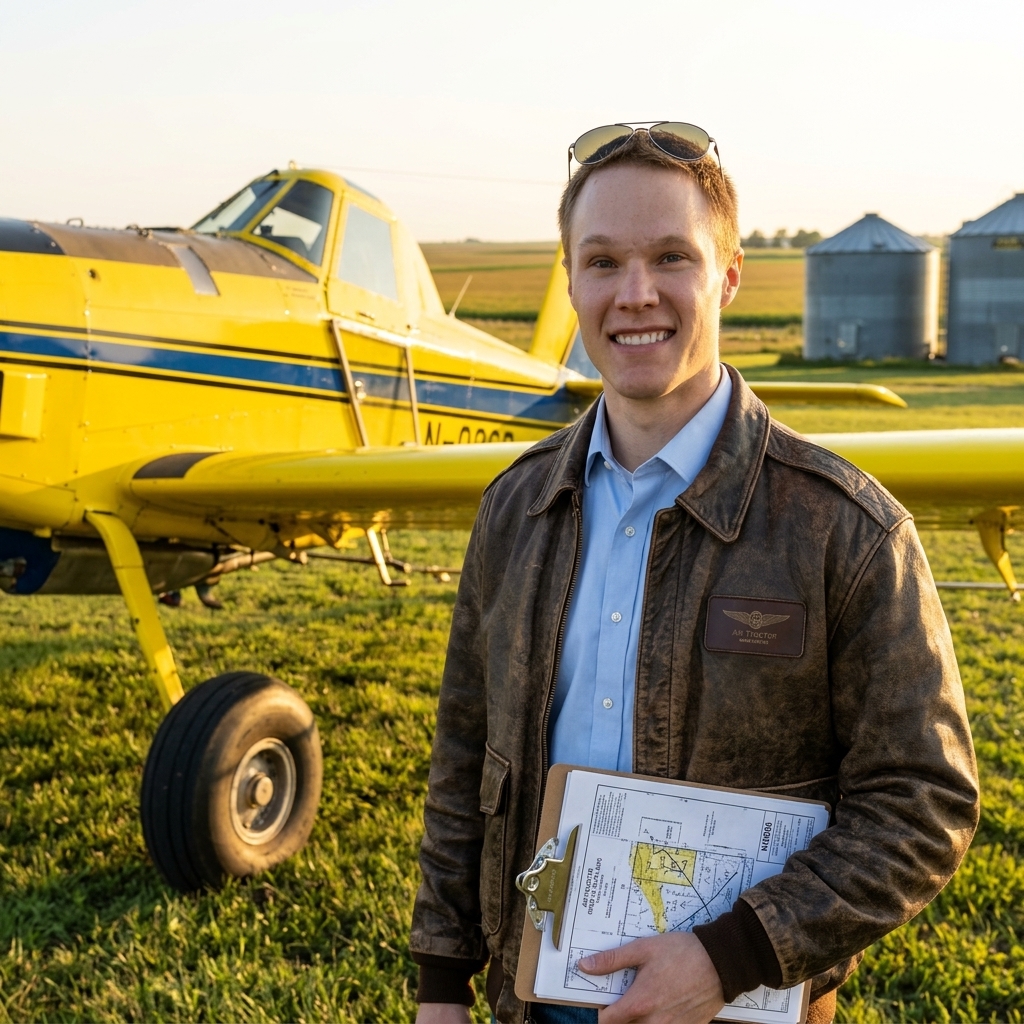
Kole Pederson holds an ATP rating and works as an aerial applicator. He doesn’t just understand ag aviation law — he flies the planes. Part 137 compliance, drift liability, aircraft transactions, and operational entity structuring.
Agricultural aviation is one of the most heavily regulated and liability-intensive sectors in agriculture. Aerial applicators face exposure from multiple angles: FAA enforcement under Part 137, EPA regulations on chemical application, state pesticide laws, drift complaints from neighbors, and the inherent physical risk of low-level flying.
Most attorneys have never sat in a cockpit, let alone flown 10 feet above a cornfield at 140 mph. They don’t understand the difference between Part 91 and Part 137 operations, what a Congested Area Plan requires, or how drift liability is assessed.
Kole Pederson does. He holds an Airline Transport Pilot (ATP) rating — the highest certification the FAA issues — and actively works as an aerial applicator. He understands the FAA regulations, the EPA requirements, the state pesticide laws, and the operational realities because he deals with them every day he flies.
This means our legal advice is grounded in operational reality. We don’t just know the law — we know the work.
If you farm and fly, those operations must exist in separate legal entities under proper agricultural business law. Period. This is not optional — it is the single most important legal decision an ag aviator can make.
Aerial application carries catastrophic liability exposure. A drift claim can exceed $1M. A crash can result in wrongful death suits, property damage, environmental contamination, and FAA enforcement actions — simultaneously.
If your flying business and farming operation share the same legal entity, a single aviation incident can put your farmland, equipment, and generational wealth at risk. The judgment from an aviation accident becomes a judgment against everything you own.
We create an airtight entity wall between the aviation operation and the farming operation. We set up separate LLCs, separate bank accounts, separate insurance policies, and separate operating agreements.
We don’t do hourly billing, and we don’t hand you a stack of paper and wish you luck. Our process is designed to be transparent, thorough, and completely finished when we’re done.
We evaluate your current business structure, insurance coverage, and operational practices. We identify liability gaps that could expose your farming operation to aviation risk.
We create separate legal entities for your farming and flying operations. Each entity has its own bank accounts, insurance policies, and operating agreements.
We ensure Part 137 compliance, draft application contracts, create drift response protocols, and set up the documentation systems that protect you when a complaint arises.
Legal counsel from someone who actually flies.
Entity structuring, operating certificates, pilot contracts, and FAA compliance for commercial aerial application operations.
Proactive strategies to minimize drift liability, respond to complaints, and defend against claims. Includes record-keeping systems.
Purchase agreements, lease agreements, hangar leases, partnership buy-ins, and other aviation business transactions.
If you farm and fly, those operations must be in separate legal entities. A crash or drift claim must not reach the family farm.
Kole knows the cockpit and the courtroom. Schedule a free consultation to discuss your ag aviation legal needs. Flat-fee pricing.
Legal services tailored to agriculture
Tell us what's going on. We'll point you in the right direction.
Free Consultation